
Categories
- Window Regulators
- Water Pumps
- Radiators & Air Conditioning
- Lighting
- Door Handles
- Engine / Driveline Parts
- Engine Sensors
- Oil Pressure Sensors
- Accelerator Pedal Sensors
- Air Flow Meters
- Air Temp Sensors
- Cam Angle Sensors
-
Coolant Temp Sensors
- Alfa Romeo
- Audi
- Bentley
- BMW
- Cadillac
- Chrysler
- Citroen
- Daewoo
- Daihatsu
- Daimler
- Datsun
- Dodge
- Ferrari
- Fiat
- Ford
- Great Wall
- Holden
- Honda
- Hyundai
- Infiniti
- Isuzu
- Jaguar
- Jeep
- Kia
- Land Rover
- Lexus
- Mazda
- Mercedes Benz
- Mitsubishi
- Nissan
- Opel
- Peugeot
- Porsche
- Proton
- Renault
- Rolls Royce
- Rover
- Saab
- SEAT
- Skoda
- Ssangyong
- Subaru
- Suzuki
- Toyota
- Volkswagen
- Volvo
- Crank Angle Sensors
- ECU / Engine Computers
- Electric Valve Solenoids
- Hall Sensors
- IAC Valves
- Intake Control Valves
- Knock Sensors
- Map Sensors
- O2 Sensors
- Oil Level Sensors
- Oil Temp Sensors
- TPS Sensors
- Variable Cam Actuators
- 4x4 Accessories
- AC Compressors
- Body Parts
- Mirrors
- Panels
- Gas Struts
-
Wiper Blades
- Alfa Romeo
- Audi
- BMW
- Chrysler
- Citroen
- Daewoo
- Daihatsu
- Dodge
- Eunos
- Fiat
- Ford
- Genesis
- Great Wall
- Holden
- Honda
- Hyundai
- Isuzu
- Jaguar
- Jeep
- Kia
- Lada
- Land Rover
- Lexus
- Leyland
- Lotus
- Mazda
- Mercedes Benz
- MG
- Mini
- Mitsubishi
- Nissan
- Peugeot
- Porsche
- Proton
- Range Rover
- Renault
- Rover
- Saab
- Seat
- Skoda
- Smart
- Ssangyong
- Subaru
- Suzuki
- Toyota
- Triumph
- Volkswagen
- Volvo
- Charge / Start System
- Clutch / Transmission
- Combination Switches
- CV / Drive Shafts
- EFI Diagnostic Equipment
- Engine Oil
- Engine Parts
- Exhaust Parts
- Filtration
-
Air Filters
- Alfa Romeo
- Audi
- BMW
- Chery
- Chevrolet
- Chrysler
- Citroen
- Daewoo
- Daihatsu
- Datsun
- Dodge
- Fiat
- Ford
- Foton
- Great Wall
- Hino
- Holden
- Honda
- Hummer
- Hyundai
- Infiniti
- Isuzu
- Iveco
- Jaguar
- Jeep
- Kia
- Land Rover
- Lexus
- Mazda
- MG
- Mini
- Mitsubishi
- Nissan
- Opel
- Peugeot
- Porsche
- Proton
- Renault
- Rolls Royce
- Rover
- Saab
- SEAT
- Skoda
- Smart
- Ssangyong
- Subaru
- Suzuki
- Toyota
- Volkswagen
- Volvo
- Cabin Filters
- Catch Can Kits
-
Fuel Filters
- Alfa Romeo
- Audi
- BMW
- Chery
- Chevrolet
- Chrysler
- Citroen
- Daewoo
- Daihatsu
- Dodge
- Fiat
- Ford
- Foton
- Great Wall
- Hino
- Holden
- Honda
- Hyundai
- Infiniti
- Isuzu
- Iveco
- Jaguar
- Jeep
- Kia
- Land Rover
- LDV
- Lexus
- Mahindra
- Mazda
- MG
- Mini
- Mitsubishi
- Nissan
- Opel
- Peugeot
- Porsche
- Proton
- Renault
- Rolls Royce
- Rover
- Saab
- SEAT
- Skoda
- Ssangyong
- Subaru
- Suzuki
- Toyota
- Volkswagen
- Volvo
- Oil Filters
- Pre-Diesel Filter Kits
- Service Kits
-
Transmission Filter Kits
- Alfa Romeo
- Audi
- Bedford
- Bentley
- BMW
- Chevrolet
- Chrysler
- Citroen
- Daewoo
- Daihatsu
- Daimler
- Dodge
- Eunos
- Fiat
- Ford
- Holden
- Honda
- Hyundai
- Isuzu
- Jaguar
- Jeep
- Kia
- Landrover
- Lexus
- Mazda
- Mercedes Benz
- Mini
- Mitsubishi
- Nissan
- Peugeot
- Porsche
- Proton
- Rambler
- Renault
- Rover
- Saab
- Seat
- Ssangyong
- Subaru
- Sunbeam
- Suzuki
- Toyota
- Triumph
- Volkswagen
- Volvo
-
Air Filters
- Fuel Delivery
- Heating / Cooling
- Ignition
- Misc / Other
- Raceworks
- Reverse Cameras & Sensors
- Silicone Hose
- Suspension
- Timing Belts
- Tools
- Towing
- Turbosmart Products
- Wheels / Brakes
- Window Switches
- Workshop Consumables
Information
Air Con Compressor Oil Balancing

Oil balancing is a critical process when replacing Automotive Air Conditioning Compressors.
When installing a new air conditioning compressor on a vehicle it is important to make sure the compressor oil is balanced correctly with the correct type of lubricant and quantity.
The purpose of oil balancing is to ensure the amount of oil in the air conditioning system remains the same as per the original specification.
Without balancing the oil, the system gives a high risk of liquid slugging and compressor lockup, due to excessive oil, resulting in possibly further repairs.
1. Recovery of refrigerant
It is essential the oil removed from the system at the time of recovery is measured precisely. The same recovered oil quantity will need to be replaced in the air conditioning system.
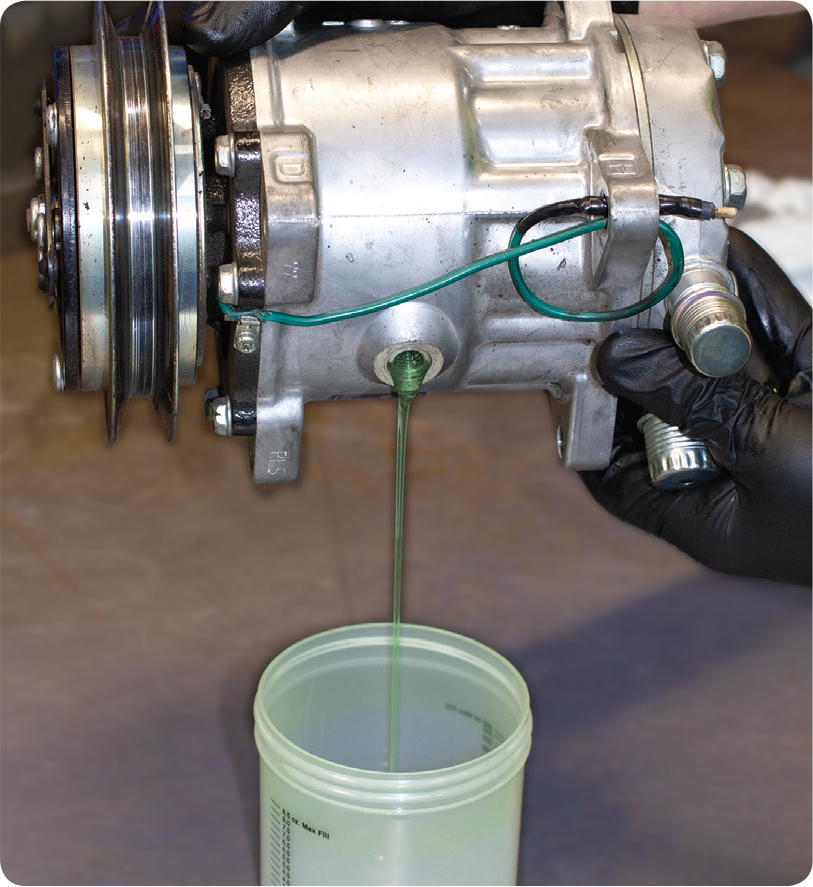
| This is an example of removing oil from an Air Conditioning Compressor: |
 |
2. Old compressor
Drain the oil from the compressor and measure the amount (volume). If necessary check the compressor installation guide for the appropriate oil drain procedure.
As a guide between 30-50% of the total oil quantity should be drained for a correctly operating air conditioning system.
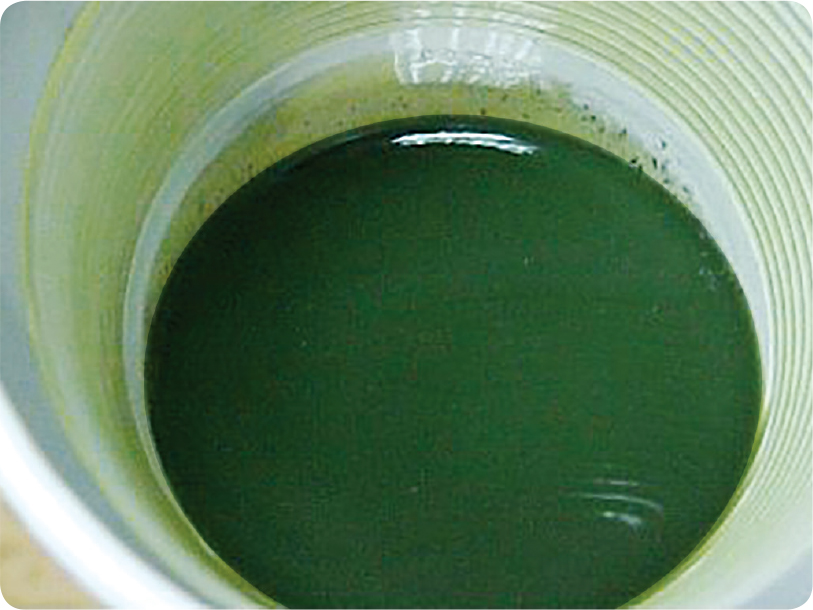
Oil clarity is another good indication of system integrity. The image (right) of dirty compressor oil suggests there may be another fault within the air conditioning system, compromising original compressor performance.
|
|
| This is what dirty contaminated Compressor Oil can look like: |
 |
3. The balancing act
Total amount of oil in the NEW compressor (A) is 120cc.
Oil amount drained from the OLD compressor (B) is 50cc.
(A) minus (B), 120cc -50cc = 70cc.
70cc is the required quantity that must be removed from NEW compressor (A) to maintain the correct oil balance.